

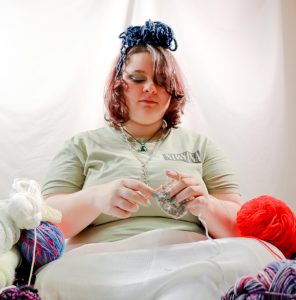


Eldest daughter syndrome is a non-clinical term used to describe the pressure, responsibility, and perfectionism often placed on firstborn daughters.
I am the eldest daughter of eight kids — five brothers and two sisters.
Only one of my sisters, Isabelle, is biologically related to me, and only one of my brothers, who is adopted, lives with me.
My other siblings are kids that I have grown to love as if they were my actual siblings.
Even if we are not all related by blood, they are still my family, and I have always played a role in raising them.
While being the eldest daughter has made me strong and responsible, it has also made me realize how important it is for kids to be allowed to just be kids.
Sometimes I feel like an unpaid babysitter because, in many ways, I am.
I am almost always in charge of watching my siblings, even when I want to spend time with my friends or just be alone in my room.
I have to feed them, put them to bed, make sure they stay out of trouble, and make sure they complete their chores before my mom finds out.
This has been a part of my routine since I was eight. I’m now 15.
People often tell me that I seem more mature for my age, and they’re right. But that maturity didn’t just happen naturally. From a young age, I was expected to be responsible and to act as a role model for my siblings.
Oldest daughters tend to take on more emotional and physical responsibilities in families, especially in larger households. This can lead to them growing up faster and feeling pressure to be dependable all the time.
While my peers were goofing off with friends, I was tucking my siblings into bed. While they were learning how to handle their own emotions, I was helping my siblings handle theirs instead of focusing on my own.
People joke that my little brother Calvin is my son because I know things about him that others don’t. I know he doesn’t like sour cream on his tacos. I know he loves playing outside. I know that he freaks himself out over small issues. I know that he knows how to read, but he doesn’t like to do it. I know that every time we have people over, he feels like he has to perform for them, because he wants them to like him.
I know these things because I was the one who witnessed them firsthand, and I have noticed.
As the older sister, I am no stranger to the term second mother. Someone who takes on a nurturing and supportive role in a child’s life, even if they are not the actual parent.
My sister comes to me for advice and tells me things she might not feel comfortable telling others. Even when I may not have all the answers, she feels safe coming to me. That trust means a lot to me, but it is also a lot of responsibility to carry at my age.
I take on responsibilities like cooking, cleaning, caring for my siblings, and providing a safe place for them when my mom can’t.
Don’t get me wrong, I love my mom. She is an amazing nurse and an exceptional mother. Though, like anyone raising a large family, she can get overwhelmed and exhausted. So I step in.
In many families, older siblings helping out is normal and even necessary. However, sometimes that help turns into something more, where the line between being a sibling and acting like a parent starts to blur.
I love my family.
Although the truth is, I grew up faster than I should have.
I was focused on responsibilities and more mature situations before I had the chance to fully experience my own childhood.
I became mature because I had to. Not because I got the choice.
Categories:
Page 7 — Opinion: Just the eldest daughter, but treated like their mom
May 13, 2026